TACTICAL OVERVIEW
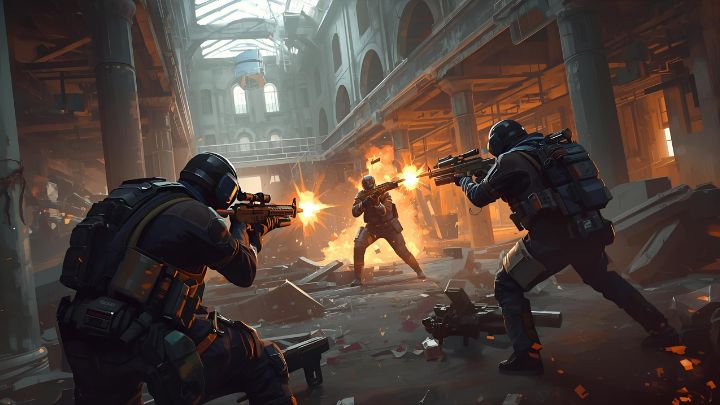
Championships aren’t decided by highlight reels—they’re decided by a single moment when preparation, clarity, and controlled aggression align. The Valorant Finals delivered such a moment: a rotation executed with absolute composure that broke the enemy’s tempo, shattered their read of the map, and turned the entire match on its axis.
This wasn’t luck.
This wasn’t chaos.
This was discipline under fire—a team trusting positioning over panic, timing over speed, and information over ego. The play didn’t just shift the round; it shifted the psychological ground beneath the opposing team.
This is the kind of tactical clarity that wins championships.
PRECISION SYSTEMS ANALYSIS
Reading the Map Before the Enemy Could
The winning team identified a developing imbalance on the enemy setup—a gap created by overcommitted utility and delayed rotations. Instead of forcing a duel, they forced a decision.
That’s high-level play:
make the enemy react, don’t react to them.
The Rotation That Broke the Round
The rotation wasn’t fast—it was smart.
A controlled retreat into a new lane of attack, using sound discipline, staggered entry, and perfectly timed utility to collapse the site before defenders could reset.
The defender side never recovered their composure.
Utility as a Force Multiplier
It wasn’t the abilities that won—
it was the sequencing:
- Denial utility to mask the rotation
- Re-entry flashes timed to the defender swing
- Post-plant utility that forced desperation plays
Utility wasn’t used to create chaos.
It was used to eliminate variables.
PERFORMANCE & FLOW TESTING
The moment the rotation succeeded, the attackers hit flow-state:
- Clear comms
- Perfect spacing
- Instant threat identification
- Zero wasted movement
It was a demonstration of what separates contenders from champions:
the ability to slow the game down when the stakes are at their highest.
This is composure as a competitive weapon.
STRATEGIC STRENGTHS
• Patience Over Impulse
They didn’t force a site. They forced an error.
• Unified Intent
Every player moved with the same mission—no lone heroics, no ego peeks.
• Psychological Overload
The defending team tilted immediately after losing the timing battle.
• Maintaining Post-Plant Control
Angles were held not to frag, but to deny space.
OPERATIONAL WEAKNESSES
Even championship plays reveal areas to sharpen:
• Earlier Utility Could Have Telegraphed the Rotation
The timing was perfect this time—but predictable patterns get punished.
• Vulnerable Mid-Rotation Timing Window
A fast flank could have cracked the play open.
• Reliance on Single Initiator for Re-Entry
Spreading responsibility prevents stalls.
COMBAT / GAMEPLAY EFFICIENCY
This round demonstrated three elite-level principles:
1. Control the Map, Control the Mind
The defenders stopped reading the map and started reading the pressure.
2. Perfect Information Is More Valuable Than Perfect Aim
The attackers won before they fired—they already knew what the defenders would do.
3. Utility Is Only Powerful When Timed With Intention
Random abilities are noise.
Sequenced abilities are strategy.
HIGH-PERFORMANCE RECOMMENDATIONS
• Train Rotations Under Pressure
Fast isn’t the goal—coordinated is.
• Practice Silent Mid-Round Transitions
Sound discipline wins more rounds than raw mechanics.
• Review Failed Rotations as Much as Successful Ones
Champions refine both sides of the equation.
• Build Trust Reps With Your Team
This play only worked because every player committed without hesitation.
TACTICAL TAKEAWAY
Valorant’s highest levels aren’t won by aim, aggression, or highlight moments—they’re won by clarity in chaos. The play that decided this championship was not explosive; it was controlled, deliberate, and rooted in a team operating with total trust.
Composure wins finals.
Timing wins duels.
And discipline wins trophies.