
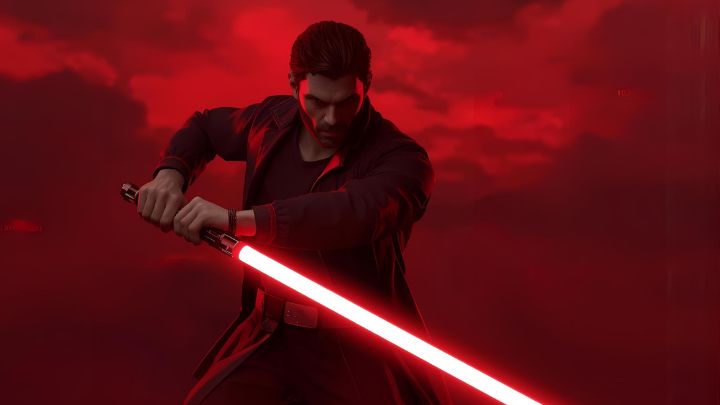
TACTICAL OVERVIEW
Jedi Survivor is not simply a continuation of Cal Kestis’s journey—it’s a combat discipline simulator wrapped inside a cinematic Star Wars narrative. It pushes you to refine timing, sharpen perception, and maintain composure in the storm of high-tempo encounters.
Every stance, dodge, parry, and force ability becomes a test of your mental stillness under pressure. This is where the game excels: it creates a battlefield where impatience gets you punished, hesitation gets you overwhelmed, and clarity gets you through alive.
Survivor doesn’t reward reckless aggression.
It rewards precision, adaptability, and mastery of rhythm.
PRECISION SYSTEMS ANALYSIS
Stance System — Your Tactical Arsenal
Cal’s multiple stances aren’t stylistic—they’re operational roles.
• Single Blade – Balanced, disciplined, ideal for accuracy
• Double Blade – Crowd suppression through controlled sweeps
• Dual Wield – High-risk tempo stance for aggressive fighters
• Crossguard – Heavy precision, slow but devastating
• Blaster + Saber – Hybrid option for range control
Stances teach you one core skill:
select the right tool for the mission, not the moment.
Switching stances becomes its own form of battlefield intelligence.
Force Abilities — Tactical Amplifiers
Force powers aren’t escape mechanics—they’re engagement tools.
- Pull isolates targets
- Push creates breathing room
- Slow buys calculation time
- Confusion shifts control of the field
Survivor’s design rewards intentional use of these tools, not panic presses.
Traversal Flow — Movement as Method
Your movement through environments mirrors your combat flow:
- wall runs that set momentum
- grapples that shift angles
- clean platforming that reinforces timing
Traversal isn’t downtime—it’s training for the encounters ahead.
PERFORMANCE & FLOW TESTING
Survivor shines when it locks you into a combat flow-state, where Cal’s movements synchronize with your internal rhythm.
Flow initiates when:
- parry timing aligns with enemy aggression
- you anticipate attacks instead of reacting late
- stance selection becomes instinctive
- terrain positioning becomes second nature
This is the mark of well-designed combat:
the game makes you sharper by demanding awareness, not sponge damage.
STRATEGIC STRENGTHS
• High-Skill Combat That Rewards Discipline
Enemies don’t fold under pressure—they escalate it.
Success requires steady hands and a clear read on their patterns.
• Stances That Build Combat IQ
Each stance trains a different performance skill:
- parsing attack patterns
- pressure management
- spacing and tempo manipulation
- execution under risk
• Strong Encounter Variety
Bosses, elites, and swarms all challenge different tactical muscles.
• Exploration as Recovery
The game understands the balance between pressure and decompression, giving you quiet chapters to recalibrate before the next test.
OPERATIONAL WEAKNESSES
• Difficulty Spikes Without Warning
Some mid-game bosses jump from demanding to punishing without interim scaling.
• Camera Variability in Tight Arenas
Line-of-sight management becomes a distraction in certain encounters.
• Occasional Performance Dips Disrupt Flow
In a game dependent on timing, even a micro-stutter is a tactical hazard.
COMBAT / GAMEPLAY EFFICIENCY
Survivor teaches the same fundamentals every elite operator learns:
- Don’t chase patterns—read them.
- Use spacing as a defensive weapon.
- Strike with intention, not volume.
- Stay calm in multi-target engagements.
Every fight is a lesson in controlled violence.
Every duel is a test of emotional regulation under threat.
And when you lose, it never feels cheap—it feels like a lapse in discipline.
HIGH-PERFORMANCE RECOMMENDATIONS
• Choose Your Two Stances With Purpose
Not based on aesthetics, but on:
- enemy type
- terrain
- your current performance rhythm
• Use Force Abilities to Create Tactical Windows
Treat the Force as a timing tool, not a damage tool.
• Maintain Movement Discipline
Panicked dodging gets you killed.
Controlled repositioning keeps you alive.
• Study Boss Patterns Like Combat Tape
Every boss teaches a rhythm.
Memorize the rhythm.
Break the rhythm.
TACTICAL TAKEAWAY
Jedi Survivor is a mindset sharpening tool disguised as an action-adventure game. It demands presence, precision, and control—and rewards the player who treats each encounter as an opportunity to refine their internal operating system.
It is a rare game where combat becomes a mirror:
your clarity, your patience, your discipline—all reflected back through Cal’s blade.
Survival isn’t about power.
It’s about composure.