
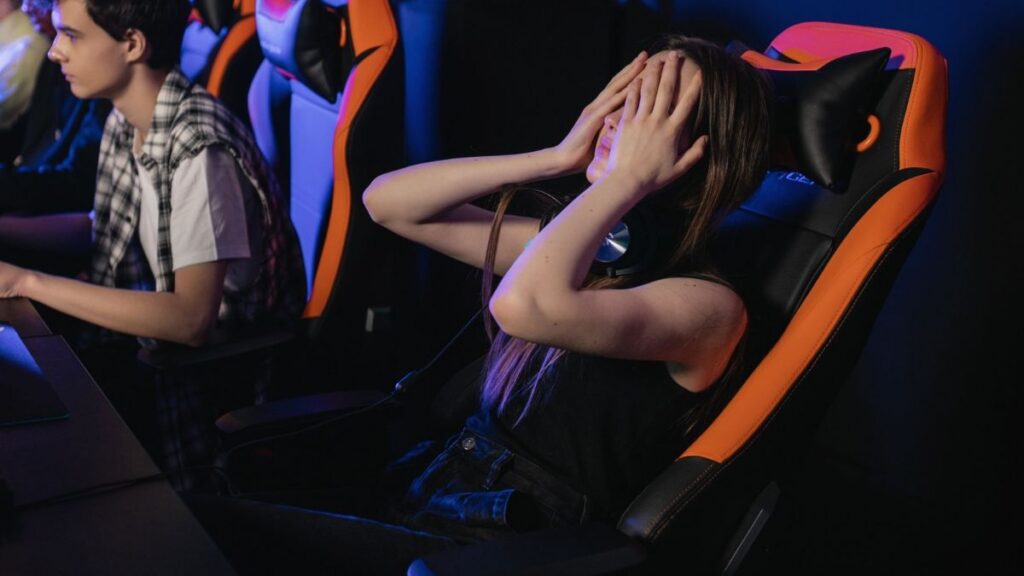
You hit your shots in aim training, feel comfortable in Deathmatch, and think you’re ready for ranked. But once the match starts, everything feels different.
You miss shots you normally hit, hesitate before taking fights, and start second-guessing your decisions.
So why do you play better in practice than in ranked matches?
The difference isn’t always your aim. Ranked matches introduce pressure, unpredictable situations, and decisions that practice drills don’t fully prepare you for.
Understanding these differences can help you make your practice more useful and approach competitive matches with greater consistency.
Why Practice Feels Easier Than Ranked
When you’re practicing in Aimlabs, KovaaK’s, or a Deathmatch lobby, your main goal is usually straightforward: hit targets, improve your mechanics, or warm up.
Missing a shot doesn’t necessarily matter. You can reset, try again, and focus on the next attempt.
Ranked matches are different.
You’re thinking about winning rounds, protecting your rank, communicating with teammates, and avoiding mistakes. A missed shot might cost your team an important round.
That difference in perceived stakes can change how you approach situations.
Research on performance under pressure suggests that people sometimes perform worse when they become overly concerned about the outcome of a task.
In gaming, this might mean hesitating before a fight you would normally take without thinking twice.
But pressure isn’t the only explanation. Ranked matches also require you to manage more information and make more decisions than most isolated practice drills.
How Pressure Can Affect Your Gameplay
Performance pressure doesn’t affect everyone the same way.
Some players become distracted by the possibility of losing. Others start paying too much attention to movements they’ve already practiced.
Researchers studying performance under pressure have identified both patterns as possible explanations for why familiar skills sometimes become harder to execute.
1. You Start Thinking About the Outcome
Imagine you’re playing a close ranked match.
Instead of focusing on where an opponent might appear, you’re thinking about how much RR you’ll lose or whether your teammates will blame you for a mistake.
Those thoughts compete for your attention.
You might miss a sound cue, overlook an opponent’s position, or hesitate when you need to make a decision.
This is one way pressure can interfere with performance: your attention shifts away from the immediate task.
You don’t necessarily need faster reflexes. You may need to direct more of your attention toward what’s happening in the match.
2. You Overthink Your Aim and Movement
Another common experience is feeling comfortable during practice but stiff during ranked.
In aim training, you might move your mouse naturally without thinking about every adjustment.
During an important ranked round, you may suddenly become conscious of how you’re gripping your mouse, moving your arm, or positioning your crosshair.
Research on explicit monitoring suggests that paying too much conscious attention to well-practiced movements can sometimes interfere with their execution.
For gamers, this may help explain why familiar shots suddenly feel awkward under pressure.
Instead of concentrating on how your hand should move, try focusing on the target, your crosshair placement, and the situation in front of you.
The goal isn’t to stop thinking altogether. It’s to direct your attention toward information that helps you make the next play.
Why Aim Training Doesn’t Always Translate to Ranked Matches
Even without performance pressure, doing well in practice doesn’t guarantee the same results in ranked.
That’s because you’re not always practicing the same skills.
Practice Focuses on Specific Mechanics
Aim trainers are useful for isolating skills such as tracking, flicking, and mouse control.
You can repeat similar movements, monitor your scores, and practice without worrying about teammates or match objectives.
That makes them useful training tools.
However, improving at a particular aim-training task doesn’t automatically mean you’ll perform equally well in every in-game situation.
Ranked Requires More Than Aim
Consider a typical fight in Valorant or CS2.
You might need to check multiple angles, listen for footsteps, anticipate an opponent’s movement, and decide whether to shoot, retreat, or use utility.
Your aim is only one part of that process.
You also need positioning, timing, awareness, and decision-making.
A player with excellent mouse control can still lose a fight because of poor positioning or an unexpected opponent.
This doesn’t mean aim training is ineffective. It means isolated mechanical practice and competitive gameplay develop different parts of your performance.
The key is to practice both your mechanics and the situations where you’ll need to use them.
5 Ways to Perform More Consistently in Ranked
If your practice performance doesn’t carry over into ranked, you don’t necessarily need longer training sessions.
You may benefit more from changing how you practice and what you focus on during matches.
1. Practice Situations You’ll Actually Face in Ranked
Aim trainers help you work on mechanics, but ranked matches involve decisions and unpredictable opponents.
Try including practice that resembles actual gameplay.
For example:
- Play retake scenarios to practice positioning and decision-making.
- Use Deathmatch to work on crosshair placement and clearing angles, rather than focusing only on kills.
- Practice common engagements on maps you regularly play.
- Review situations where you hesitated or took an unfavorable fight.
You can still use aim trainers as part of your routine. Just avoid making them your only form of practice.
Research on training under pressure suggests that practicing conditions resembling competition may help prepare performers for demanding situations.
Most of this research comes from traditional sports, so the same benefits shouldn’t be assumed to apply equally to every esports game.
2. Stop Thinking About Every Movement
When you’re nervous, it’s tempting to concentrate harder on your mouse grip, arm movement, or aiming technique.
But during an actual fight, that extra attention may not help.
Instead, give yourself a simple task-focused cue.
For example:
- Keep your crosshair at head level.
- Clear the next angle.
- Watch the opponent’s movement.
- Hold your position until you have information.
These cues keep your attention on the game rather than on every detail of your physical movement.
You can analyze your mechanics during practice or after a match. During a fight, focus on executing the next action.
3. Create a Simple Pre-Match Routine
A consistent routine can help you approach ranked matches with a clearer plan.
It doesn’t need to be complicated.
You could try:
- Spend a few minutes warming up your aim.
- Practice a few common in-game situations.
- Check that your equipment and settings are comfortable.
- Choose one thing to focus on during the match.
For example, your goal might be to improve crosshair placement or avoid unnecessary peeks.
You can also use a brief reset between rounds. Relax your shoulders, take a comfortable breath, and decide what your next priority should be.
Research in sports psychology has examined pre-performance routines as one possible way to support performance under pressure.
A routine won’t guarantee better results, but it can give you a consistent starting point.
4. Learn to Play Even When You’re Nervous
Feeling nervous during an important ranked match doesn’t automatically mean you’re going to perform poorly.
You might notice a faster heartbeat, increased tension, or the urge to rush a decision.
Rather than trying to eliminate those feelings immediately, acknowledge them and return your attention to the game.
For example, if you’re in a clutch situation, focus on the information you have:
- Where was the opponent last seen?
- What sounds or utility have you noticed?
- Which angle should you check next?
- Do you need to take the fight immediately?
This approach is consistent with psychological strategies that emphasize accepting uncomfortable feelings while staying focused on the task.
You don’t need to feel completely calm to make a good decision.
5. Focus on What You Can Control
Ranked matches can be frustrating because you don’t control every outcome.
You can’t guarantee how your teammates will perform, which opponents you’ll face, or whether every round will go your way.
But you can work on your own decisions.
Instead of entering a match thinking, “I have to win this game,” choose a specific goal.
For example:
- Clear angles before entering a site.
- Communicate useful information to teammates.
- Avoid repeating the same positioning mistake.
- Take fights when you have a reasonable advantage.
These goals give you something specific to evaluate afterward.
Winning still matters, but focusing only on the result can make it harder to recognize progress in your actual gameplay.
How to Tell If You’re Improving Beyond Your Rank
Your rank is one way to measure competitive progress, but it doesn’t explain everything about how you played.
You can win a match while making several poor decisions. You can also lose despite making improvements in your positioning, communication, or consistency.
That’s why reviewing your gameplay can be useful.
After a ranked session, ask yourself three questions:
- What did I do well? Identify a decision, habit, or skill that worked.
- Where did I struggle? Look for repeated mistakes rather than focusing on one unlucky round.
- What should I practice next? Choose one specific area to work on.
For example, if you repeatedly lose fights while clearing angles, your next practice session could focus on crosshair placement and entry positioning.
If you hesitate during clutch situations, review those rounds to understand what information you had and which decisions were available.
You don’t need to analyze every match in detail. Even a short review can help you make your next practice session more purposeful.
Over time, look for improvements in the decisions and habits you’re working on, not just changes in your rank.
Frequently Asked Questions
Why does my aim feel shaky during ranked matches?
Performance pressure can contribute to physical tension and increased self-consciousness, which may affect how comfortable your aim feels.
However, shaky aim can have several causes, including fatigue, posture, and equipment-related issues.
If you notice yourself overthinking your movements, try relaxing your grip and directing your attention toward the target and game situation.
Does aim training help with ranked anxiety?
Aim training can help you practice mouse control and become more familiar with aiming tasks, but it doesn’t recreate every challenge of ranked play.
Competitive matches involve unpredictable opponents, communication, and the pressure of winning or losing.
Combining mechanical practice with realistic in-game situations may be more useful than relying on aim training alone.
Should I stop using aim trainers if I perform worse in ranked?
No. Aim trainers can still be useful for practicing specific mechanics.
The important thing is to recognize their limitations.
If you’re already comfortable with your aim but struggle during ranked matches, consider spending more time on positioning, decision-making, and realistic gameplay scenarios rather than simply increasing your aim-training hours.
Final Thoughts
Playing better in practice than in ranked doesn’t necessarily mean your training isn’t working.
Practice often gives you a controlled environment where you can concentrate on one skill. Ranked matches require you to use those skills while managing pressure, opponents, and constantly changing situations.
If you find yourself struggling, look beyond your aim-training scores.
Pay attention to when you hesitate, what distracts you, and which situations consistently cause problems.
Then use that information to make your practice more relevant to actual matches.
The goal isn’t to perform perfectly every time you queue for ranked. It’s to become more consistent at making good decisions and using the skills you’ve already practiced.